
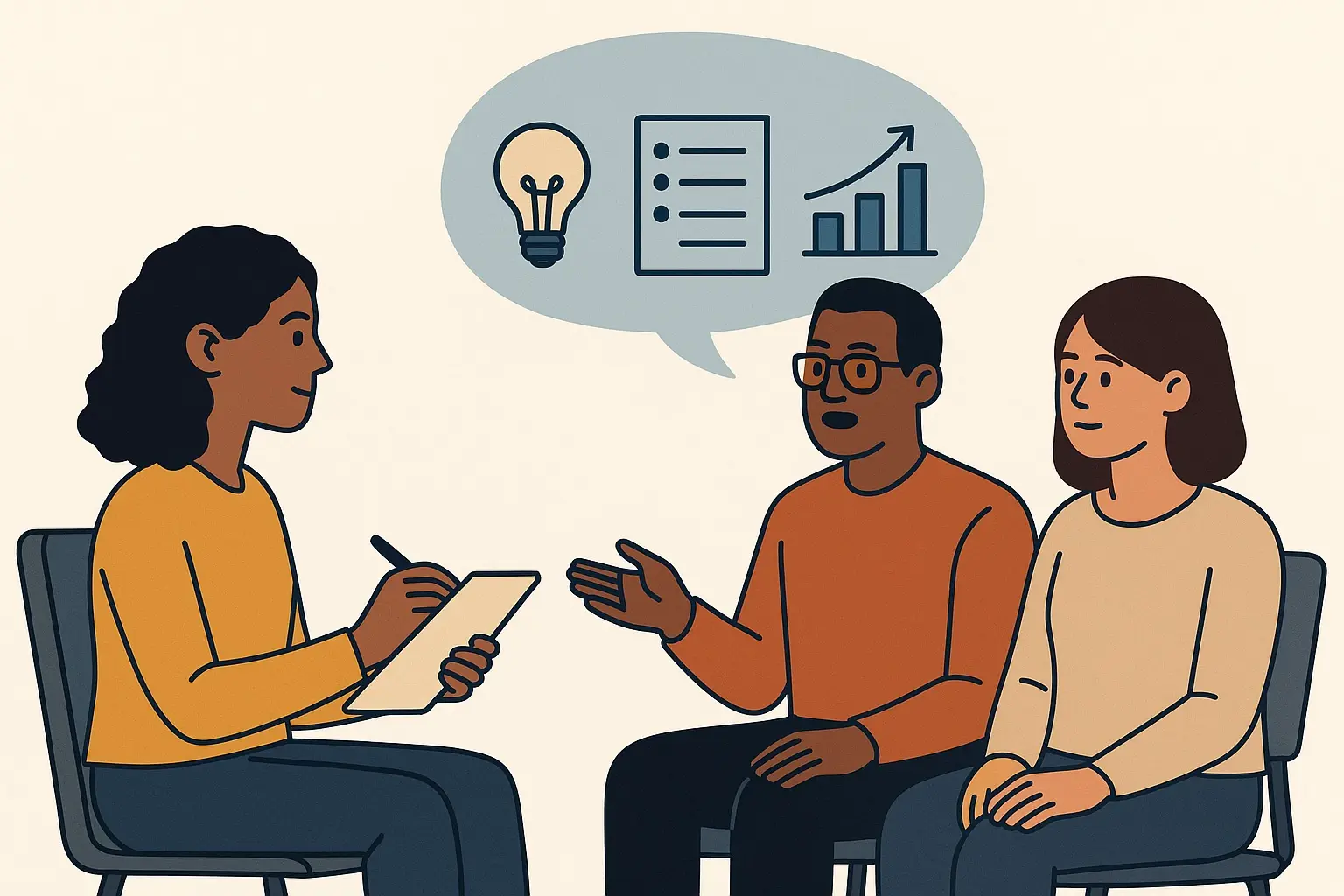
Ideal User Interview Framework: Getting Real Insights from Your Users
Master user interviews to discover genuine insights and build products people actually want
User interviews can make or break your startup. They're the bridge between your assumptions and reality. Yet most founders struggle to extract genuine insights from these conversations.
The problem isn't finding people to talk to. It's asking the right questions in the right way. When you master this skill, you'll discover what your users actually need, not what they think they want.
Why Most User Interviews Fail
Traditional interviews often lead founders astray. People naturally want to be helpful and positive. They'll tell you what they think you want to hear rather than the truth.
Hypothetical questions produce hypothetical answers. When you ask "Would you use this feature?" you're inviting speculation. These responses rarely match real behavior.
Leading questions contaminate your data. Questions like "Don't you think this would be useful?" push respondents toward specific answers. You end up validating your assumptions instead of testing them.
The Three Core Rules
Effective user interviews follow three fundamental principles. These rules transform how you gather insights and make decisions.
Rule 1: Talk About Their Life, Not Your Idea
Start by understanding their world before mentioning your solution. Learn about their challenges, workflows, and existing solutions. This reveals genuine problems rather than polite reactions to your pitch.
Rule 2: Ask About Specifics in the Past, Not Generics or the Future
Focus on what users have already done, not what they might do. Past behavior reveals true patterns and priorities. Future intentions are just guesses dressed up as data.
Rule 3: Talk Less and Listen More
You're there to learn, not pitch. Every minute you spend talking is a minute you're not gathering insights. Let users tell their stories fully before jumping in.
Preparing for Effective Interviews
Define what you want to learn before starting. Are you exploring a problem space? Understanding workflows? Testing assumptions? Clear objectives guide better questions.
Identify your target users carefully. Speak with people who actually experience the problem you're trying to solve. Random interviews waste everyone's time.
Create a flexible interview guide with key topics. Prepare questions but stay ready to follow interesting tangents. The best insights often come from unexpected directions.
Your Interview Question Bank
These proven questions generate actionable insights. Use them as starting points and adapt based on what you learn.
Understanding Their World
- Tell me about your typical workday
- What's the most frustrating part of your current process?
- Walk me through how you handled task yesterday
- What tools do you currently use for this?
Exploring Problems
- Tell me about the last time you faced this challenge
- What happened? What did you do next?
- How often does this problem come up?
- What's the impact when this goes wrong?
Understanding Commitment
- How much time do you spend on this problem?
- What have you already tried to solve it?
- How much would you pay for a solution?
- Who else on your team deals with this?
Validating Importance
- If you could wave a magic wand and fix one thing, what would it be?
- What's the cost of not solving this problem?
- How do you currently work around this issue?
- What would make this problem worth solving for you?
Don't Ask This, Ask This Instead
The difference between good and bad questions often comes down to subtle wording. Here's how to reframe common mistakes into valuable inquiries.
Bad: "Would you use a product that does X?" Good: "How do you currently handle X?"
Bad: "Do you think this is a good idea?" Good: "Tell me about the last time you needed to do this."
Bad: "Would you pay $50 for this?" Good: "What do you currently spend on solving this problem?"
Bad: "What features would you want?" Good: "Show me how you do this today. What's frustrating about it?"
Bad: "Don't you think this would save you time?" Good: "How much time does this task take you now?"
Bad: "Would this be useful?" Good: "What have you already tried to solve this?"
Reading Between the Lines
What users say and what they mean often differ. Learn to recognize the signals that indicate real problems versus polite interest.
When someone says "I would definitely use this," ask what they'd give up to get it. Would they switch from their current solution? Pay for it? Recommend it to colleagues?
These questions reveal true commitment levels. Someone who won't pay probably doesn't have a strong need, regardless of their enthusiasm.
When discussing problems, listen for specifics. Vague complaints might not indicate real problems. But specific examples with clear consequences suggest genuine pain points.
Pay attention to what they've already tried. If they've invested time and money seeking solutions, you've found a real problem. If they haven't, question whether it matters enough.
Common Pitfalls to Avoid
Pitching Too Early: Don't explain your solution until you understand their problem. Early pitching biases their responses and wastes your learning opportunity.
Accepting Compliments: Users compliment your idea to be polite. Thank them briefly, then redirect to their experiences and challenges.
Stopping at Surface Answers: When users mention something interesting, dig deeper. Ask follow-up questions to understand the full story. Surface-level responses rarely provide actionable insights.
Ignoring Contradictions: If someone says it's a big problem but hasn't tried solving it, that's valuable data. Don't ignore signals that contradict what you want to hear.
Talking Too Much: Remember that every minute you spend explaining is a minute lost learning. Keep your explanations brief and your questions frequent.
Making the Most of Your Interviews
Look for patterns across multiple conversations. Single responses might be outliers. Repeated themes indicate genuine opportunities worth pursuing.
Focus on problems users have actively tried to solve. This shows they're willing to invest resources in finding solutions. These are your best opportunities.
Document specific quotes and stories that illustrate key insights. These become valuable references when making product decisions or communicating with stakeholders.
However, remember that user interviews are ongoing, not one-time events. As your product evolves, continue talking to users to validate assumptions and discover emerging needs.
Taking Action
Great interviews generate insights that change your product direction. Use what you learn to refine your understanding of user needs and market opportunities.
The goal isn't just gathering data. It's building a deep understanding of your users' world so you can create solutions they actually need.
Start your next interview by focusing on their life, not your idea. Ask about specifics in the past, not generics or the future. Talk less and listen more.
When you master these principles, user interviews become your most powerful tool for building products people actually want and need.
Ready to Move Faster?
Get actionable feedback and insights on your challenges and goals. 30 minutes focused on helping you move forward.
No sales pitch. No obligations. Just helpful advice.